
By Beech Agency – Simple and Smart!
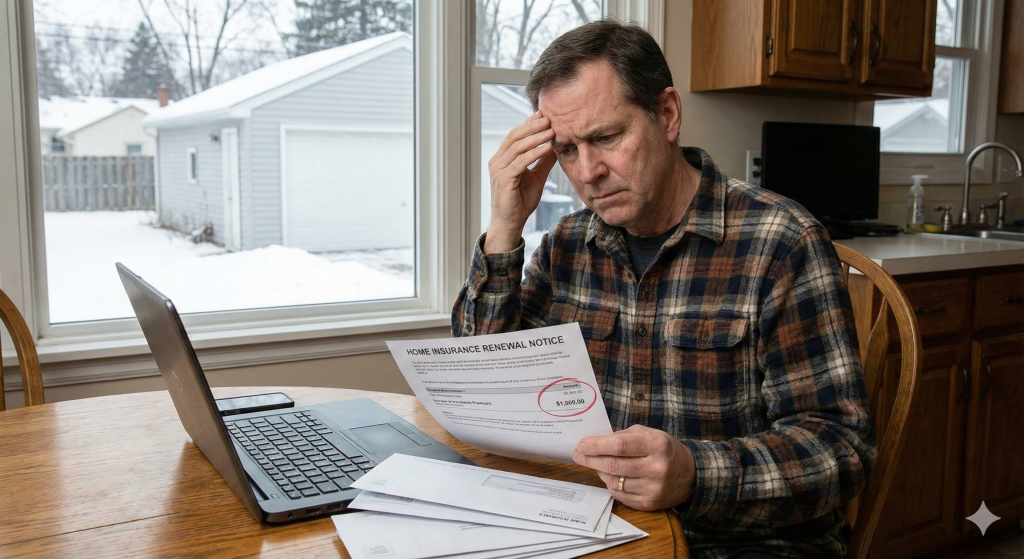
⭐ Introduction: Why Insurance Rates Creep
Insurance rates creep in Minnesota for many households, often showing up as small, quiet increases that add up over time. If you’ve noticed your premiums rising—even without filing a claim—you’re not alone. This article explains why insurance rates creep, what causes these gradual increases, and how to stay in control without the usual industry noise.
What Does It Mean When Insurance Rates Creep?
When insurance rates creep, premiums increase a little at a time — often without a clear explanation. These increases are usually tied to factors outside of your personal claims history.
Internal resource: Learn more about auto insurance
1. Minnesota’s Market Conditions Have Insurance Rates On The Run
Minnesota has seen rising repair and replacement costs across the board. This forces carriers to adjust pricing.
Key contributors:
- Increased home repair and construction costs
- Higher auto repair and parts expenses
- Storm, hail, and wind claim activity
- Inflation across labor and materials
Even claim‑free households experience increases because rates adjust based on the entire region.
2. Renewal Pricing Is Designed to Make Insurance Premiums Increase
Carriers usually provide their best pricing to new customers, not renewing ones. Over time, loyal customers often see insurance rates creep higher despite clean histories.
Why this happens:
- Carriers prioritize growth over retention
- Algorithms factor in market shifts before loyalty
- Renewal pricing is rarely optimized for savings

3. Bundles Can Still Make Insurance Rates Creep
Bundling home and auto coverage can reduce costs — but only when priced correctly. If one policy rises too quickly, the bundle benefit disappears.
Examples:
- Home insurance jumps due to replacement cost updates
- Auto insurance climbs due to statewide claim trends
- Both combined cause a noticeable but unexplained increase
4. Claims Aren’t the Main Reason Insurance Rates Creep
It’s normal to assume that a claim drives premium increases. But insurance rates creep even when:
- You haven’t filed a claim
- Your credit score improved
- Your driving record is clean
- Your home is well‑maintained
Rate creep happens because carriers adjust prices based on overall risk pools, not individual behavior.
5. How To Know If Your Insurance Rates Creep More Than Normal
Here are signs you’re overpaying:
- Your renewal went up 6–12% or more
- You haven’t compared rates in 12+ months
- You’re bundled but not sure if it’s optimized
- Your zip code has seen recent regional increases
Internal resource: See how Beech Agency keeps insurance simple
6. What You Can Do When Insurance Rates Creep
You can’t control weather or inflation, but you can control:
- How often you compare your rates
- Whether your bundle is structured correctly
- Whether you’re matched with the right carrier
Many Minnesotans save money simply by reviewing their policies once a year.
7. Quick Rate Check: See If Your Insurance Rates Creep Unfairly
If you’re wondering whether your current premiums are fair:
Take a 60‑second rate check to see what your updated home or auto insurance should cost.

Conclusion
Insurance rates creep for many reasons — market conditions, carrier pricing models, and regional trends. But a quiet increase doesn’t mean you’re locked in. A quick review gives you clarity and control.
If you want a simple, no‑pressure comparison, Beech Agency is here with clear answers — not sales calls.
Insurance rates creep because carriers adjust premiums based on statewide risk trends, repair costs, inflation, and claim activity—not just your personal history.
Minnesota homeowners and drivers should review their insurance rates annually to prevent unnoticed premium increases.
Bundles can reduce costs, but they don’t always prevent premiums from rising. If one policy increases faster than another, the overall bundle cost still goes up.
If your renewal increases by more than 6–12% without claims or significant changes, your insurance rates may be rising faster than the market.