
If you’re a Minnesota homeowner, it’s essential to review your home insurance policy for coverage gaps—especially for wind and hail damage. The Minnesota Department of Commerce recently issued an alert warning that insurance companies are increasingly shifting to higher deductibles or percentage-based deductibles for wind and hail coverage.
This trend could lead to costly surprises for homeowners after a storm, leaving many to pay more out-of-pocket before insurance kicks in. Here’s everything you need to know about this issue and how to protect your property and finances.
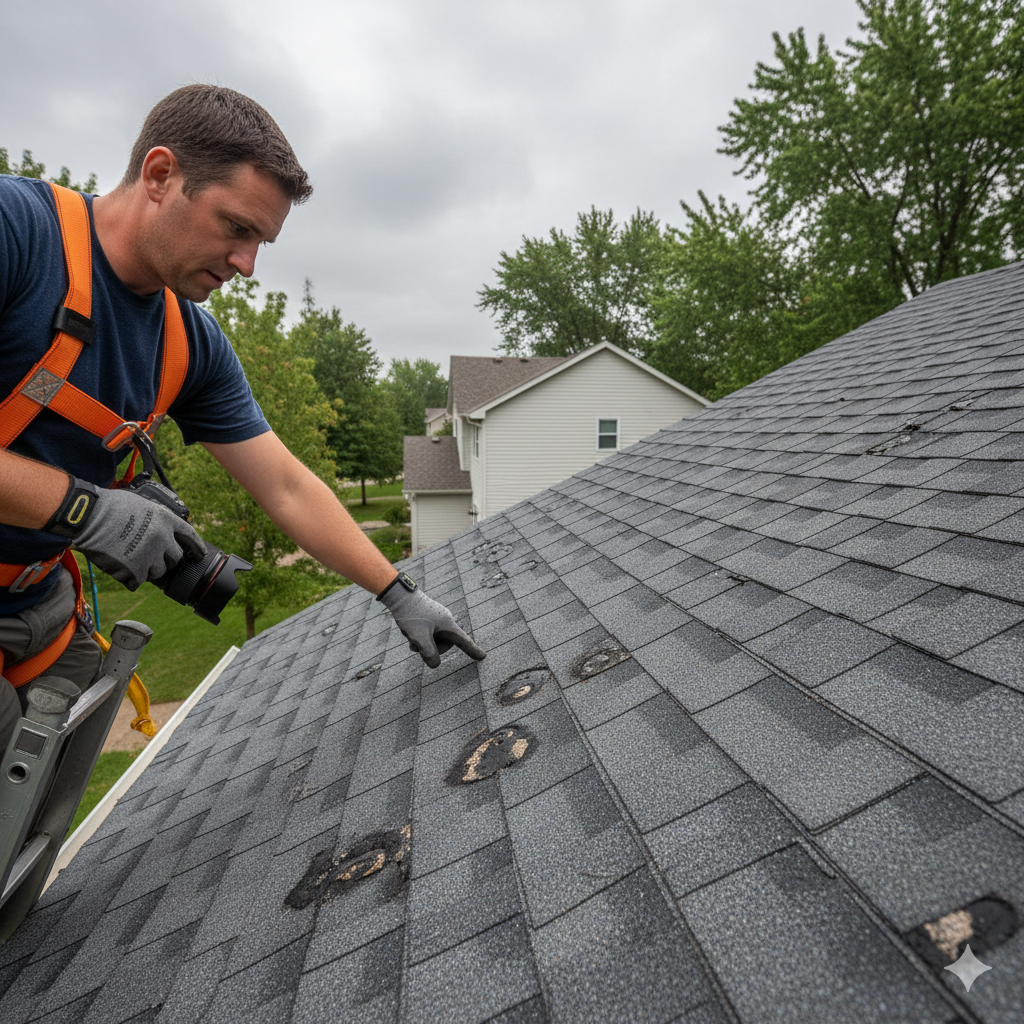
Why Are Minnesota Wind and Hail Insurance Deductibles Increasing?
Wind and hail are among the most frequent causes of homeowner insurance claims in Minnesota. Severe weather events have become more common, putting significant financial pressure on insurance providers. To manage these risks, many insurers are introducing separate wind and hail deductibles or switching to percentage-based deductibles.
This is important because these changes may not be clearly communicated upfront. Without carefully reviewing your policy, you might assume your standard deductible applies to wind and hail damage when it doesn’t.
What Is a Percentage-Based Deductible?
Instead of a flat deductible (like $1,000), percentage-based deductibles are calculated as a percentage of your home’s insured value. For example:
| Home’s Insured Value | Deductible Percentage | Out-of-Pocket Deductible |
|---|---|---|
| $200,000 | 2% | $4,000 |
| $300,000 | 3% | $9,000 |
As you can see, even a 2–3% deductible can result in substantial out-of-pocket costs for homeowners.
How to Protect Yourself as a Minnesota Homeowner
1. Review Your Minnesota Wind and Hail Insurance Policy Thoroughly
Start by reviewing your existing policy. Look specifically for:
- Separate wind and hail deductibles
- Percentage-based deductible calculations
- Changes to exclusions or limits
If you’re unsure how to interpret the fine print, call your insurance provider and ask:
- Has my policy changed recently?
- What is my deductible for wind and hail damage?
- Are there any exclusions I should be aware of?
Pro Tip: Stay informed about Minnesota-specific homeowner insurance trends by visiting resources like the Minnesota Department of Commerce website.
2. Shop for Better Minnesota Wind and Hail Insurance Coverage
If your current policy no longer meets your needs, consider shopping for better options. At the Beech Agency, we compare companies and coverages for you!
Look for policies that offer:
- Flat-rate deductibles for wind and hail
- Comprehensive storm damage coverage
- Additional endorsements or riders for extra protection

3. Consider Upgrading Your Home’s Storm Resilience
Investing in preventative measures not only protects your property but can also help lower premiums. Some insurance providers offer discounts for homes equipped with storm-resistant features. Consider:
- Impact-resistant roofing materials
- Storm shutters for windows
- Reinforced doors and garage doors
- Regular tree trimming to reduce storm debris risks
4. Know Your Rights as a Consumer
If you believe your insurance provider has unfairly changed your policy without adequate notification, you can file a complaint with the Minnesota Department of Commerce. They provide resources to help homeowners navigate insurance disputes and ensure transparency.
Why It’s Critical to Act Now
Failing to review your policy could result in significant financial losses. Imagine needing to replace your roof after a hailstorm only to discover you owe thousands due to a higher deductible. By taking action now, you can avoid costly surprises and ensure you’re adequately covered for Minnesota’s unpredictable weather. Connect with us at beechagency.com or by email at dan@beechagency.com
Internal Links for Further Reading
- How to Choose the Best Homeowners Insurance Policy
- 5 Ways to Save on Your Home Insurance Premiums
- Understanding the Minnesota Department of Commerce
Custom Visual: Key Differences Between Flat-Rate and Percentage-Based Deductibles
| Deductible Type | Description | Example |
|---|---|---|
| Flat-Rate Deductible | A fixed dollar amount that applies to all claims | $1,000 deductible regardless of home value |
| Percentage-Based Deductible | A percentage of the insured home value, applying to specific claims like wind or hail | 2% of $300,000 = $6,000 deductible |
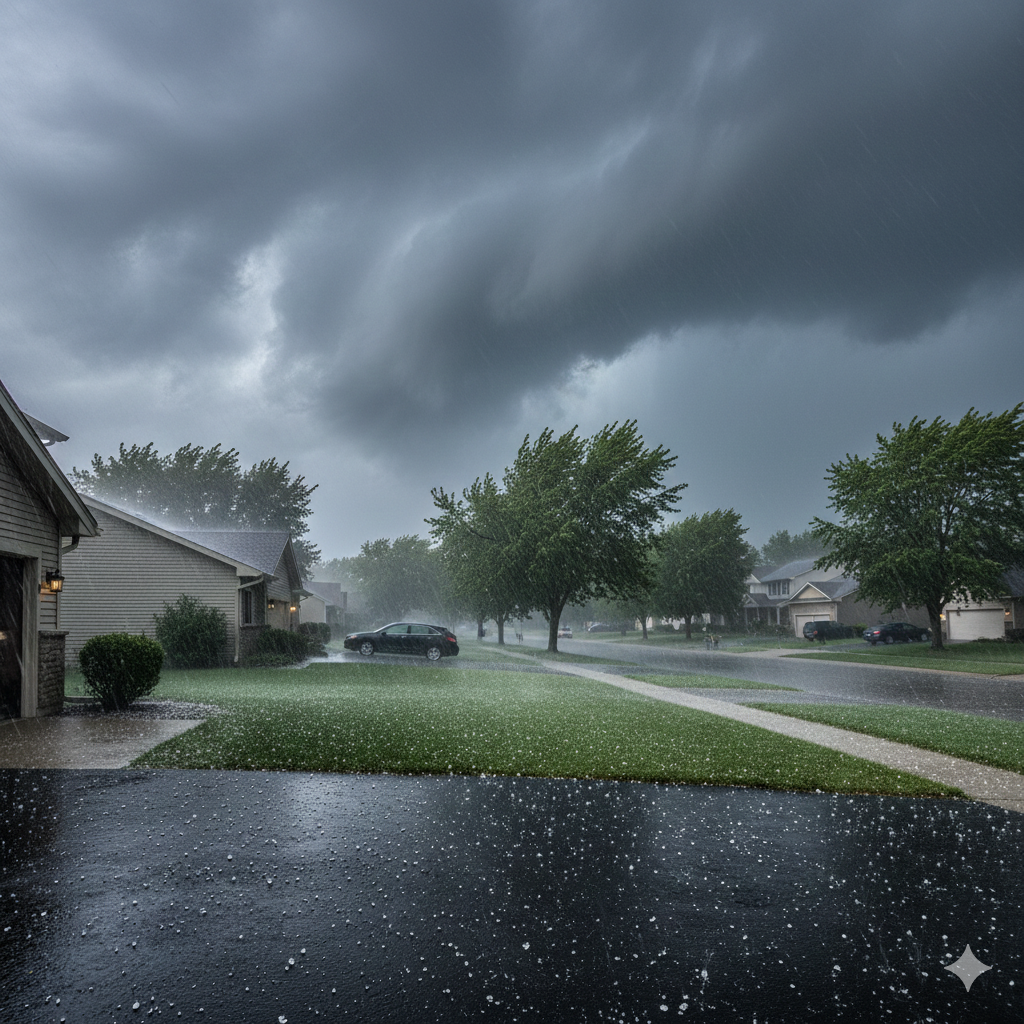
The Minnesota Commerce Department issued a consumer alert because wind and hail storms continue to be the state’s most frequent and costly sources of homeowner insurance claims. Many homeowners discover gaps in coverage after a storm—especially related to roof age, cosmetic damage exclusions, and rising replacement costs.
Most homeowners policies in Minnesota do cover wind and hail, but coverage can vary widely. Some policies include special deductibles, roof depreciation, cosmetic damage exclusions, or lower payouts based on roof age. It’s important to review your policy or ask your agent to confirm exactly what is and isn’t covered.
Review your dwelling coverage limit, roof coverage type (replacement cost vs. actual cash value), deductibles, and whether you have exclusions for cosmetic damage or older roofs. Make sure your coverage limits reflect today’s construction costs, not what your home cost to rebuild years ago.
Replacement cost coverage pays to repair or replace your roof without deducting for depreciation.
Actual cash value (ACV) subtracts depreciation, meaning older roofs often get much smaller payouts. Understanding which one applies to your policy can significantly impact what you’d pay out of pocket after a storm.
Check the declarations page of your homeowner’s policy. Some Minnesota insurers apply a separate wind/hail deductible, often listed as a percentage of your home’s insured value (e.g., 1% or 2%). This can be much higher than your standard deductible, so it’s essential to verify before a storm hits.
You should contact your agent if:
You haven’t reviewed coverage in 12+ months
Your roof is aging
You recently made upgrades to your home
You’re unsure whether your deductibles or limits are still appropriate
A quick review can help you avoid surprise expenses after a storm.
Document visible damage with photos, protect your home from further damage (temporary tarps, if needed), and contact your insurer or agent. Avoid signing contracts or assigning benefits to contractors before your insurance company inspects the damage.